


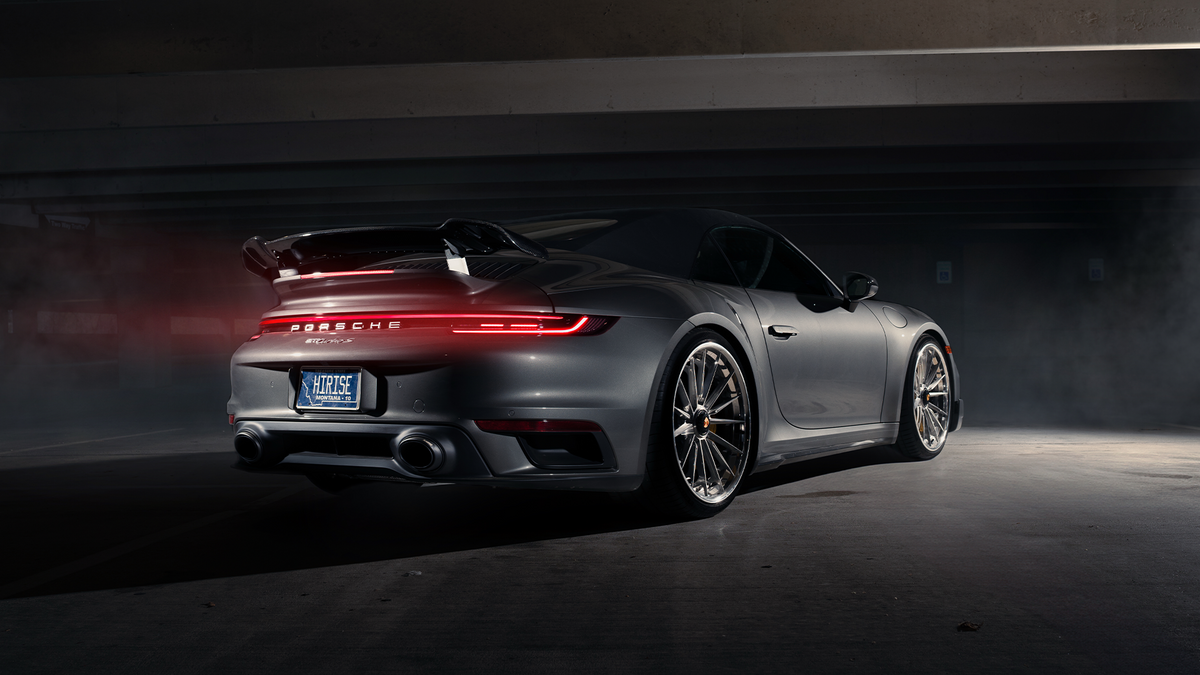
Key takeaways: The best wheels for the Porsche 911 (992) are lightweight forged wheels in a staggered fitment that matches the car 5x130 bolt pattern and 71.6 mm center bore. A Carrera runs a 19-inch front and 20-inch rear from the factory, while a Carrera S, GTS, or Turbo runs 20-inch fronts and 21-inch rears. Forged construction keeps unsprung weight low, which protects the 992 sharp steering and ride, and Variant builds true forged fitments for the 911 through our vehicle-specific program.
What wheel specs fit a Porsche 911 (992)?
Every 992-generation 911 shares the same core fitment specs. Getting these right is the difference between a wheel that bolts up perfectly and one that never should have left the box.
- Bolt pattern: 5x130 (five lugs on a 130 mm circle). Learn how to read this in our bolt pattern guide.
- Center bore: 71.6 mm, so the wheel should be hub-centric to the hub. See center bore and hub-centric rings.
- Fasteners: M14 x 1.5 lug bolts with an R14 ball (spherical) seat, torqued to about 160 Nm (118 lb-ft).
- Offset and width: staggered front-to-rear; exact offset depends on model and size, covered below.
What are the OEM wheel sizes for the 992?
The 992 ships staggered from the factory, meaning the rear wheels are wider than the fronts. Here are the common OEM sizes:
| Model | Front | Rear |
|---|---|---|
| 911 Carrera | 19 x 8.5 | 20 x 11.5 |
| 911 Carrera S / GTS | 20 x 9 | 21 x 11.5 |
| 911 Turbo / Turbo S | 20 x 9 | 21 x 11.5 to 12 |
Aftermarket forged sets typically mirror these sizes; a common Carrera S setup is 20x9 ET41 up front with a 21x11.5 ET58 rear. Because fitment is model-specific, confirm your exact offsets before ordering, and our offset guide explains why they matter.
Should you run a staggered setup on the 992?
Yes. The 911 rear-biased weight distribution and rear-drive (or rear-heavy all-wheel-drive) layout are built around a wider rear tire, so a staggered setup is the right call for a 992. A square setup only makes sense if you are running a dedicated track-tire strategy with planned rotation, which is rare on a street 911.
Why do forged wheels make the most sense on a 911?
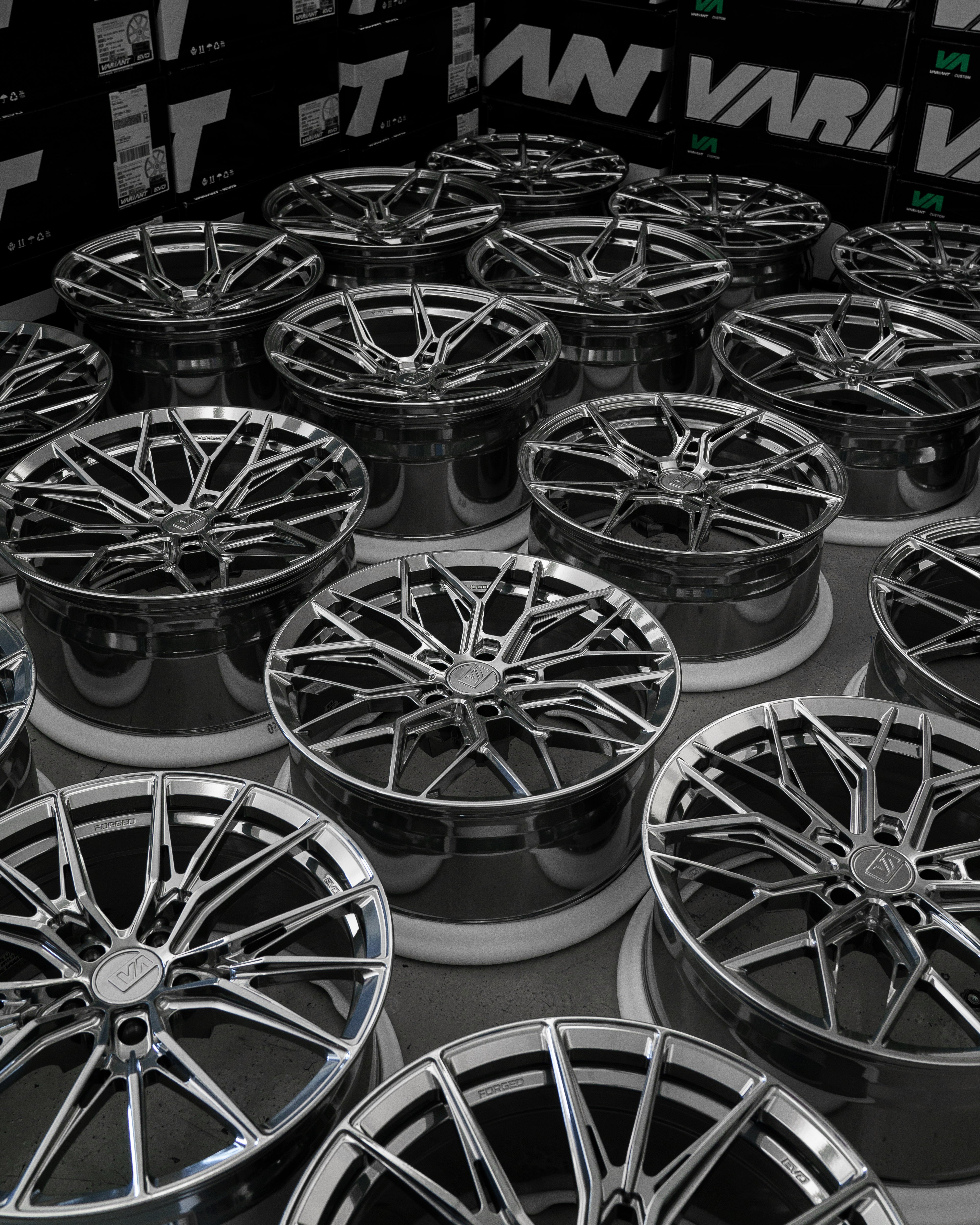
The 992 is a precision instrument, and forged wheels protect what makes it special. Forged construction is the lightest strong wheel you can buy, and cutting unsprung weight sharpens steering response, improves ride compliance, and helps the brakes and suspension do their jobs. Variant builds only true forged wheels, never cast or flow-formed, so a set for your 911 keeps rotational mass low without giving up strength. Browse forged options in the EVO monoblock collection or explore fitments in our vehicle-specific program. For the lightest options, see our guide to the lightest forged wheels.
What should you look for when buying 992 wheels?
- Correct fitment: 5x130, 71.6 mm hub-centric, and a model-correct offset.
- Load rating: the wheel must meet the 911 corner weight with margin, especially on Turbo models.
- True forged construction: for the best strength-to-weight, not cast or flow-formed.
- Tire clearance: confirm the tire size fits the wheel width and the car arches to avoid rub.
For a reference on the car itself, Car and Driver and Tire Rack both maintain 911 spec and fitment data worth cross-checking.
Frequently asked questions
What is the bolt pattern on a Porsche 911 992?
The 992-generation 911 uses a 5x130 bolt pattern with a 71.6 mm center bore and M14 x 1.5 lug bolts with a ball seat.
What size wheels does a 992 Carrera S use?
A 992 Carrera S runs a staggered 20-inch front and 21-inch rear setup from the factory, typically 20x9 up front and 21x11.5 in the rear.
Are forged wheels worth it on a Porsche 911?
Yes. Forged wheels are lighter than cast at the same strength, and lower unsprung weight sharpens the 992 steering and ride without sacrificing durability.
Can you run a square setup on a 992?
Most 911 owners should run staggered, since the car is designed around wider rear tires. A square setup is only worth it for specific track-tire rotation strategies.
Written by Taylor Smith, co-founder of Variant Alloy Wheels, who has spent nearly two decades in the automotive aftermarket.
Share:
How Much Should You Torque Aftermarket Wheels?
How Do You Get Rid of Brake Dust on Wheels?