


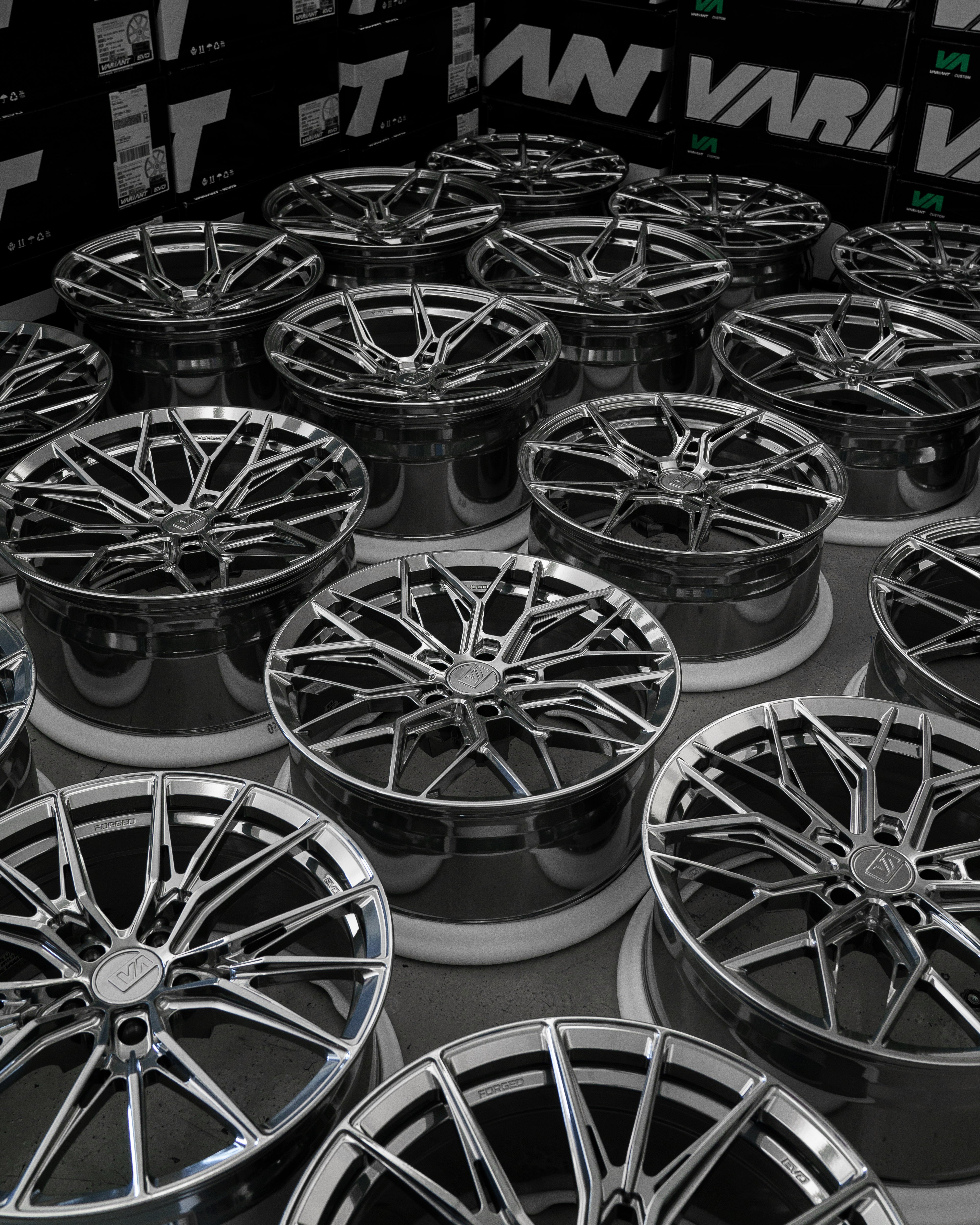
Key takeaways: Forged wheels can bend or crack, but they resist both far better than cast wheels. Because a forged wheel is pressed from a single billet of 6061-T6 aluminum, its grain structure is dense and continuous, so under a hard impact it tends to bend slightly rather than shatter. A bent forged wheel can often be repaired within safe limits, while a cracked cast wheel usually has to be replaced. No wheel is indestructible, but forged is the most impact-tolerant construction you can buy.
Do forged wheels bend or crack under impact?
Yes, a forged wheel can bend or crack, but it takes a much harder hit to do either compared with a cast wheel. When a forged wheel does fail, it usually bends rather than cracks. That failure mode matters for safety: a small bend often still holds air and lets you drive slowly to safety, while a crack can cause sudden pressure loss. Variant builds true forged wheels for exactly this reason, because the forging process trades brittleness for ductility.
Why are forged wheels more resistant to cracking than cast wheels?
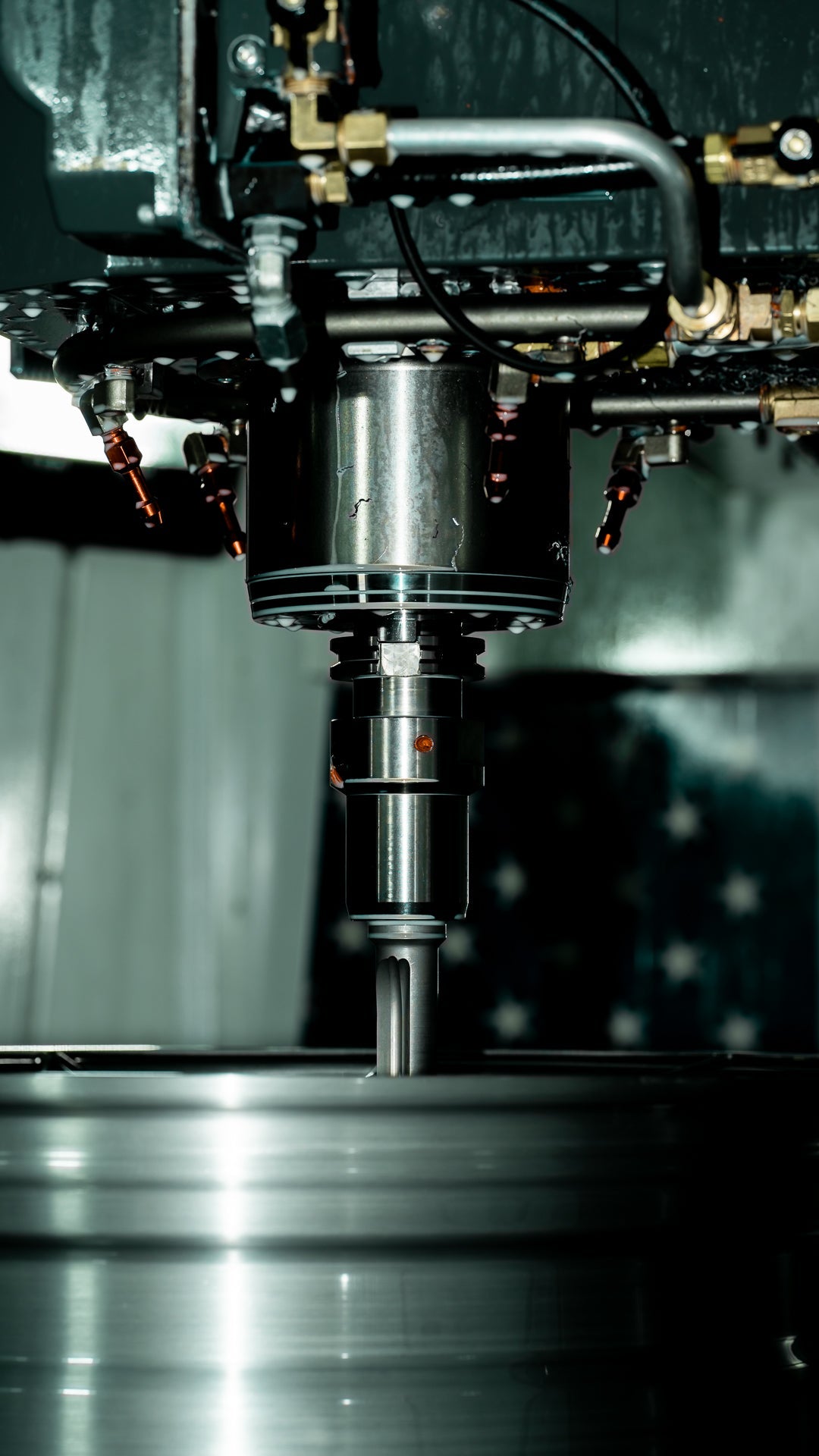
The difference comes down to grain structure and porosity. In casting, molten aluminum is poured into a mold, and as it cools small air pockets (porosity) can form inside the metal. Those voids are weak points where cracks start under impact. Forging instead uses thousands of tons of pressure to compress solid aluminum, eliminating voids and aligning the metal grain flow around the shape of the wheel. The result is a denser, more uniform part that bends before it breaks. You can see the full sequence in our guide to how forged wheels are made.
What makes a forged wheel strong?
Two things: the material and the manufacturing. Nearly every quality forged wheel, including every Variant wheel, is forged from 6061-T6 aluminum, an alloy heat-treated for a high strength-to-weight ratio. The forging press then packs that alloy into a tight, aligned grain structure. Because the metal is stronger per unit of weight, a forged wheel can be made lighter than a cast wheel while still meeting or exceeding the same load rating. Lighter, stronger, and more impact-tolerant is the whole point of forging.
Forged vs. flow-formed vs. cast: which bends, which cracks?
Here is how the three main constructions behave when they meet a pothole. Variant only builds true forged wheels; the other rows are for context.
| Construction | Typical failure mode | Impact resistance | Repairable? |
|---|---|---|---|
| Cast | Cracks or shatters | Lowest | Rarely; cracks usually mean replacement |
| Flow-formed | Bends, sometimes cracks | Medium | Sometimes |
| Forged | Bends before cracking | Highest | Often, within safe limits |
For a deeper comparison, see forged vs. flow-formed vs. cast wheels.
Can a bent forged wheel be repaired?
Often, yes, within safe limits. Because forged aluminum is ductile, a qualified wheel repair shop can sometimes straighten a minor bend on the lip or barrel and return the wheel to service. This is one reason forged owners tend to spend less over the long run: a repairable bend beats a replaceable crack. That said, structural damage to the spokes, or a bend combined with a crack, means the wheel should be replaced. No repair is worth risking a wheel that carries your car at speed, so when in doubt, have it inspected. Reference resources like Tire Rack and a trusted wheel shop can help you judge.
What can still damage a forged wheel?
To be honest about the trade-offs: forged wheels are not magic. A severe pothole hit, a hard curb strike, or a deep pinch between tire and rim can still bend even the best forged wheel. Running very low-profile tires reduces the cushion between the road and the rim, which raises bend risk regardless of construction. Correct fitment and tire choice matter as much as the wheel itself. What forging buys you is a bigger safety margin and a better failure mode, not immunity.
Frequently asked questions
Are forged wheels stronger than cast wheels?
Yes. Forged wheels have a denser, void-free grain structure, so they resist cracking and impact damage better than cast wheels and can be made lighter at the same strength.
Do forged wheels crack easily?
No. Forged wheels are the most crack-resistant construction available. When a forged wheel is overloaded by a hard impact, it typically bends before it cracks.
Can you fix a bent forged wheel?
Often, yes. A qualified shop can sometimes straighten a minor bend in a forged wheel within safe limits. Cracked or structurally damaged wheels should be replaced rather than repaired.
How long do forged wheels last?
With normal care, a quality forged wheel can last for many years and often outlives the car it was bought for, because the dense forged material does not carry the porosity that can shorten a cast wheel life.
Written by Taylor Smith, co-founder of Variant Alloy Wheels, who has spent nearly two decades in the automotive aftermarket.
Share:
How Much Should You Torque Aftermarket Wheels?
How Do You Get Rid of Brake Dust on Wheels?