


Key takeaways: The best wheels for the BMW M5 (F90) are lightweight true forged wheels that match its factory 5x112 bolt pattern and 66.6mm center bore, run a staggered 20-inch setup, and have a load rating suitable for a 4,300-plus-pound, 600-plus-horsepower sedan. Forged construction lets you cut unsprung weight versus the heavy OEM wheels while keeping the strength this car demands, which sharpens steering response and ride quality. Stick to fitments designed for the F90's offsets so you avoid rubbing and preserve the M5's handling.
If you are shopping for the best wheels for the BMW M5, the F90 generation (2018–2023) sets a high bar. This is a roughly 600-to-617-horsepower, all-wheel-drive super sedan that weighs well over two tons, so the wheels you bolt on have to be strong, correctly sized, and ideally lighter than what came from the factory. Below we cover what the M5 needs, why forged is the right call, the fitment numbers that matter, and how to choose without compromising the car's handling.
What should you look for in BMW M5 wheels?
The F90 M5 makes three demands of a wheel: strength, correct fitment, and low weight. It puts down enormous torque through M xDrive all-wheel drive and carries a lot of mass, so a wheel has to handle high loads without flexing or cracking. It also has a specific bolt pattern, center bore, and set of offsets that an aftermarket wheel must match exactly. And because the OEM wheels are fairly heavy, there is real room to improve the car by going lighter.
That combination is why true forged wheels are the natural fit for this car. A forged wheel is pressed from a single billet of 6061-T6 aluminum under thousands of tons of pressure, which aligns the metal's grain structure and produces a part that is both stronger and lighter than a cast wheel of the same design. On a heavy, powerful car, that strength-to-weight advantage is exactly what you want.
Why does unsprung weight matter so much on the M5?
Wheels are unsprung weight, the mass that is not supported by the suspension springs. Reducing unsprung weight lets the suspension control each wheel more easily, so the tire stays planted over bumps, steering feels quicker, and ride quality often improves. On a car as fast and heavy as the M5, shaving weight at each corner is one of the few upgrades that improves both performance and comfort at the same time.
Because forged wheels are denser and stronger, they can hit a target strength with less material than a cast wheel, which is how they save weight without giving up durability. We go deeper on the physics in our guide to what unsprung weight is and why lighter wheels matter, but the short version is that on the M5, lighter forged wheels are a genuine handling upgrade, not just a cosmetic one.
What is the correct wheel fitment for the F90 M5?
Getting fitment right is non-negotiable on this car. The F90 M5 uses these factory specifications:
| Specification | F90 M5 value |
|---|---|
| Bolt pattern (PCD) | 5x112 |
| Center bore | 66.6mm (hub-centric) |
| Factory wheel diameter | 20-inch |
| Setup | Staggered (wider rear) |
| Typical OEM tire sizes | 275/35ZR20 front, 285/35ZR20 rear |
A few terms worth defining. The bolt pattern (or PCD) is the number of lug holes and the diameter of the circle they sit on, here five bolts on a 112mm circle. The center bore is the diameter of the hub hole; the F90 is hub-centric, so a wheel should match the 66.6mm hub to seat true. Offset is how far the mounting face sits from the wheel's centerline, and it determines how the wheel tucks under the fender. Run the wrong offset and you risk rubbing the fender or suspension, or pulling the wheel too far inboard.
The M5 runs a staggered setup from the factory, meaning the rear wheels are wider than the fronts to put more rubber under the driven rear axle. You can read more about that trade-off in our guide to staggered vs. square setups, and if offset still feels fuzzy, our wheel offset explainer walks through it in plain terms. You can confirm your car's exact factory numbers against an independent reference like Wheel-Size.com.
Should you keep 20-inch wheels or size up?
For most F90 M5 owners, staying with a 20-inch diameter is the smart move. It matches the factory engineering, keeps a sensible amount of tire sidewall for ride quality and pothole protection, and gives you the widest tire selection. Going to 21-inch can look aggressive and fill the arches more, but it reduces sidewall, can firm up the ride, and narrows your tire options. Unless you are chasing a specific stance, a forged 20-inch staggered set is the sweet spot of looks, performance, and livability on this car.
Whatever diameter you choose, the priority is a wheel built and load-rated for a heavy performance sedan. This is a safety component on a car that can exceed 190 mph, so cutting corners on construction is not worth it.
Which Variant wheels fit the BMW M5?
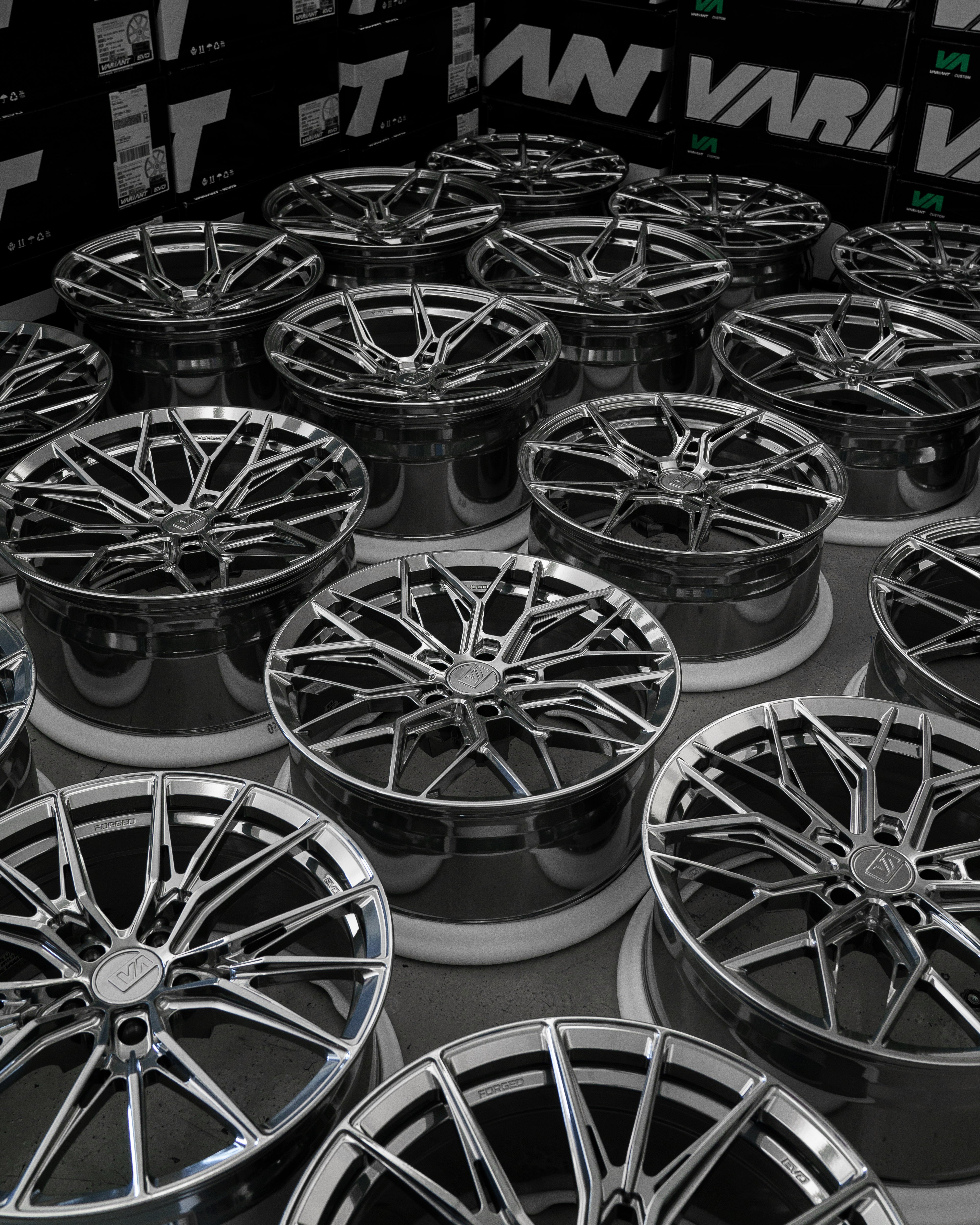
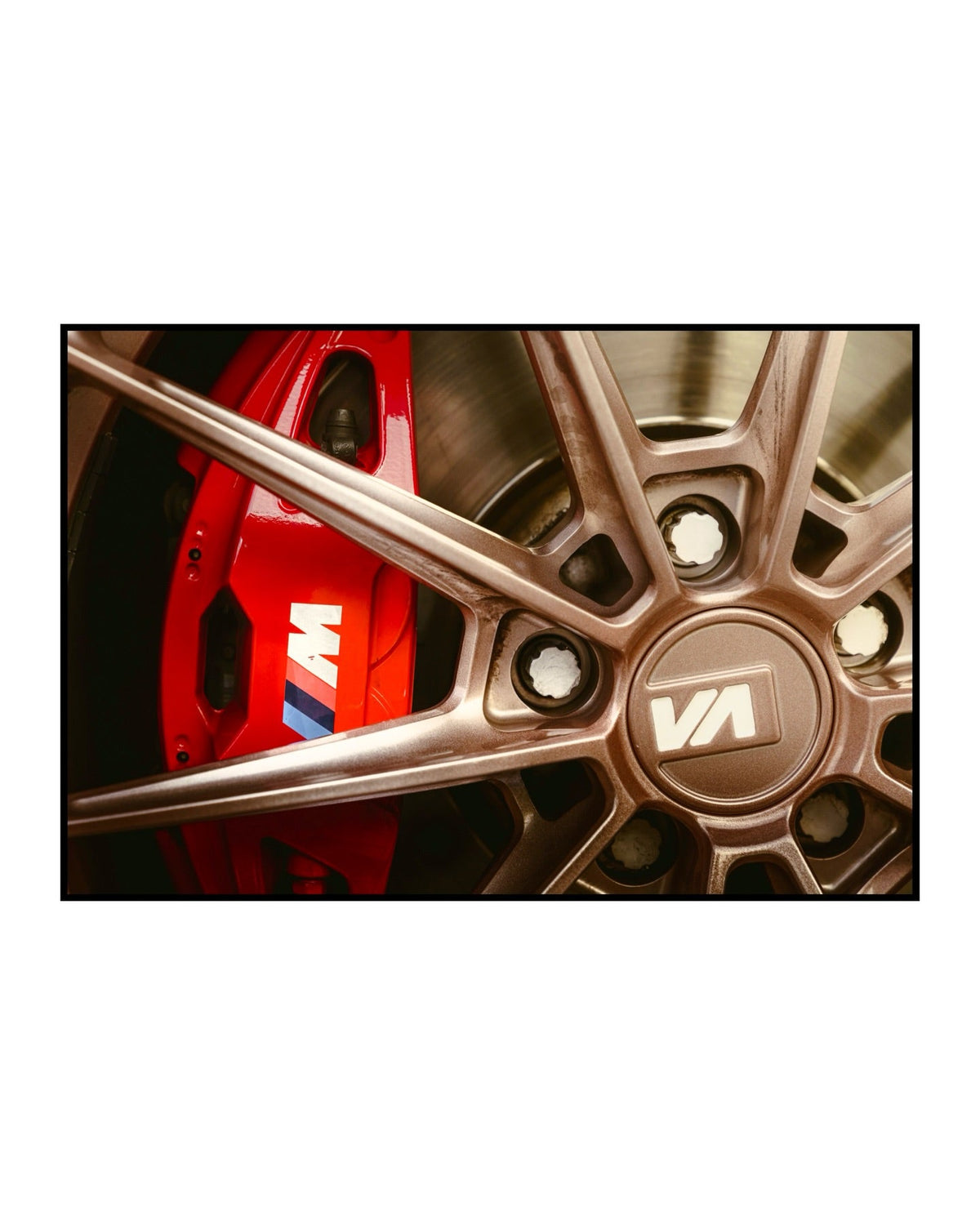
Variant builds only true forged wheels, which is exactly what a car like the M5 calls for. The most direct path is our BMW M5 collection, where the fitments are organized for the F90's bolt pattern, center bore, and staggered offsets so you do not have to cross-reference every number yourself. Within the lineup you will find forged monoblock options as well as multi-piece designs if you want a deeper concave profile or a custom lip.
If you want to explore beyond the M5-specific page, our vehicle-specific fitments hub and our full forged wheels catalog let you compare finishes and constructions across the range. Every option is forged, so you are choosing between designs and finishes, not arguing about whether the wheel is strong enough.
Are forged wheels worth it on the M5?
On a car like the F90 M5, yes. You are getting a lighter wheel that improves how the car rides and steers, plus the strength to survive real-world roads under a heavy, high-power sedan. Forged wheels also tend to hold their finish and value better than cheaper cast alternatives. If you want the full cost-versus-benefit case before you commit, our honest breakdown of whether forged wheels are worth it lays out exactly where the money goes.
Frequently asked questions
What is the bolt pattern on a BMW F90 M5?
The F90 M5 uses a 5x112 bolt pattern with a 66.6mm hub-centric center bore. Any wheel you fit must match both numbers to seat correctly.
What size wheels come on the BMW M5 from the factory?
The F90 M5 comes with staggered 20-inch wheels, typically wearing 275/35ZR20 tires up front and wider 285/35ZR20 tires at the rear.
Are lighter wheels actually better on a heavy car like the M5?
Yes. Lighter wheels reduce unsprung weight, which helps the suspension keep the tires planted, sharpens steering response, and can improve ride quality. The benefit is meaningful even on a heavy, powerful sedan.
Can you run a square (non-staggered) setup on the M5?
The M5 is engineered around a staggered setup with wider rear wheels. Some owners run square setups for tire rotation or track use, but it changes the look and handling balance, so it should be done deliberately with correctly sized fitments.
Written by Taylor Smith, co-founder of Variant Alloy Wheels, who has spent nearly two decades in the automotive aftermarket.
Share:
What Are Forged Wheels Made Of? 6061-T6 Aluminum Explained
Are Forged Wheels Worth It? An Honest Breakdown