


Key takeaways: Curb rash on forged wheels is almost always cosmetic, and cosmetic damage can be repaired. Light scuffs can be sanded, filled, and refinished; deeper gouges are best left to a professional wheel refinisher. The one thing you should never repair is a crack. If a forged wheel is cracked or badly bent on the mounting face, replace it, because that is a structural problem, not a paint problem. When in doubt, have it inspected before you drive on it.
Scraping a wheel against a curb is one of the most common ways to damage a set of nice wheels, and "can you repair curb rash on forged wheels?" is one of the questions we hear most. The good news is that forged wheels are excellent candidates for repair because the aluminum they are made from is dense and strong. This guide explains what curb rash actually is, when it can be fixed, when a wheel needs to be replaced, and how to keep it from happening again.
What is curb rash, and is it just cosmetic?
Curb rash is the scraping, scuffing, or gouging that happens when the outer edge or face of a wheel drags against a curb, usually while parking or turning too tightly. In the vast majority of cases it is purely cosmetic. It removes finish and shaves off a small amount of aluminum at the lip, but it does not compromise the strength of the wheel. That is why curb rash is repairable while a crack is not.
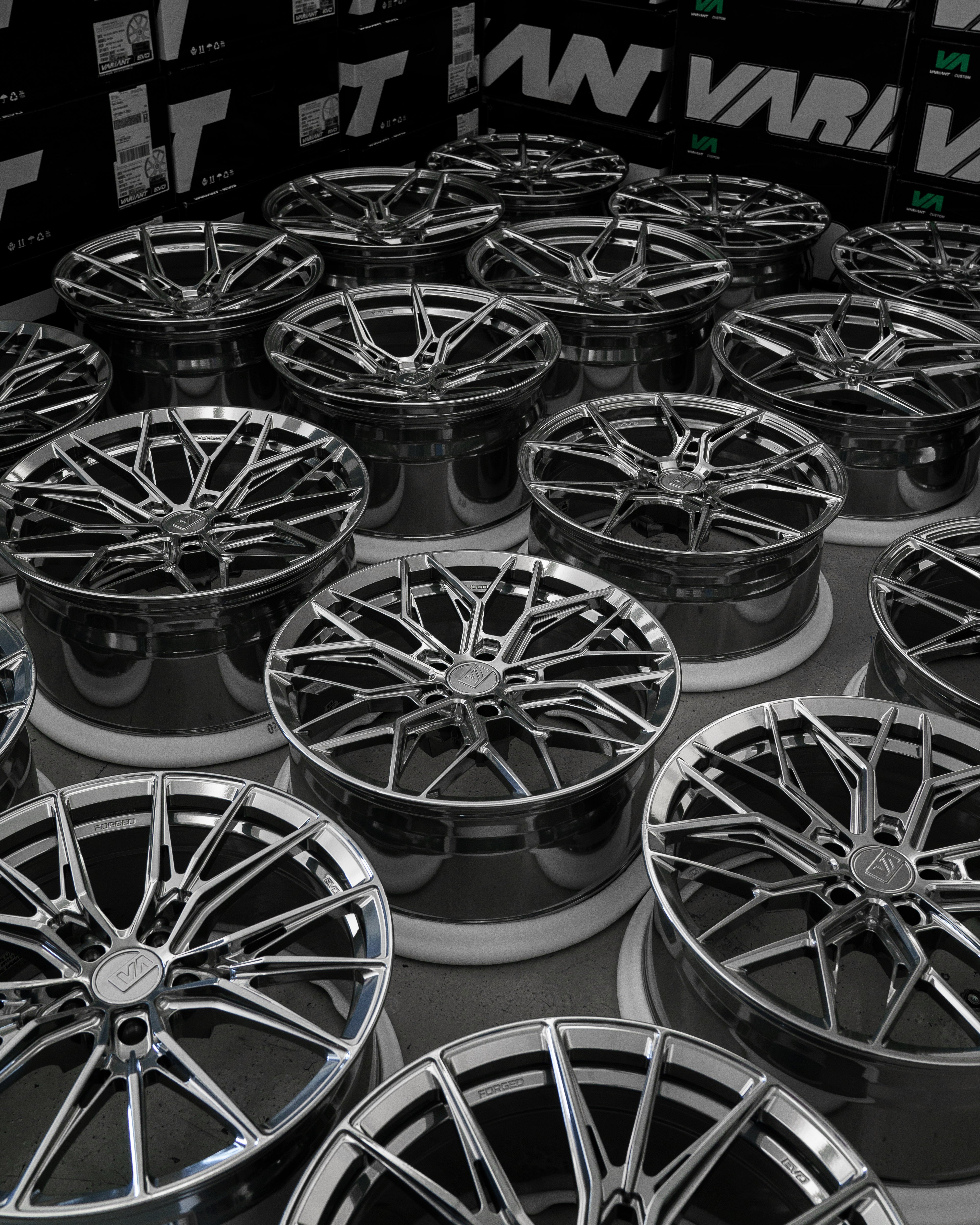
Forged wheels handle curb contact better than cast wheels for a structural reason. Because they are pressed from a solid billet of heat-treated aluminum alloy, forged wheels have a denser, more uniform grain structure with no internal porosity, so a curb strike tends to leave a scuff rather than a chip or crack. It is the same property that makes them resistant to bending and cracking in the first place.
Can you repair curb rash on forged wheels?
Yes. Cosmetic curb rash on a forged wheel can be repaired, and the level of effort depends on how deep the damage goes:
- Light scuffing (finish only): The clear coat or paint is scraped but the aluminum underneath is barely touched. This is the easiest to fix and often blends nearly invisibly.
- Moderate gouging (into the aluminum): The curb has removed metal at the lip. This needs sanding, filling, and refinishing to restore a smooth edge.
- Deep damage or damage across a machined or polished lip: Harder to hide because the finish is difficult to match. This is where a professional refinisher earns their fee.
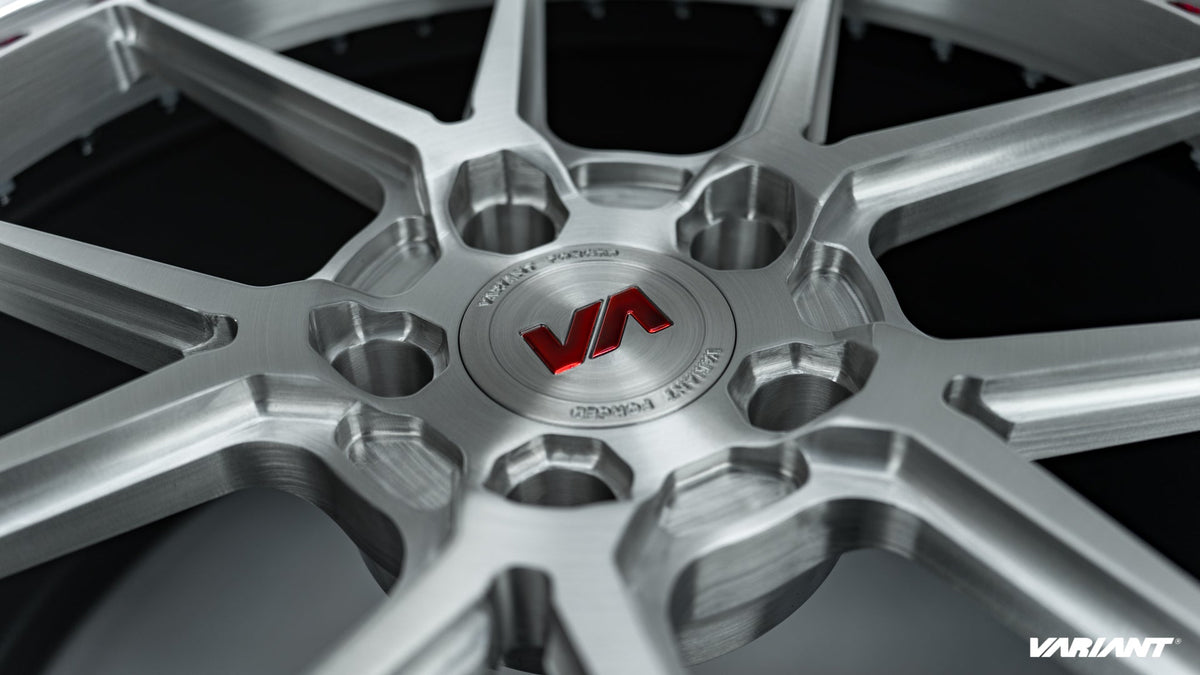
Repair difficulty also depends on the finish. A solid gloss or matte color is the most forgiving to touch up. A brushed, polished, or diamond-cut lip is the hardest to blend, because you have to recreate the machining pattern. If you are choosing a finish and worry about future curb repairs, our guide on choosing a wheel finish is worth a read.
How do you fix light curb rash yourself?
For a solid-color, painted wheel with minor rash, a careful DIY repair is realistic. Here is the general process:
- Clean the area. Wash and degrease the damaged section so nothing contaminates the repair.
- Sand the damage. Use progressively finer sandpaper to knock down rough, raised edges until the area is smooth and flush.
- Fill deeper gouges. Apply a thin layer of automotive filler or spot putty where metal is missing, then sand it flush once cured.
- Prime and paint. Mask off the area, apply primer, then color-matched paint in light coats.
- Clear coat and cure. Seal with clear coat and let it fully cure before touching or driving.
Be honest with yourself about the finish. If the wheel has a machined, brushed, or chrome-look lip, a DIY repair will almost always be visible up close, and a professional refinisher is the better call. When you get the wheel looking right again, protect the fresh finish with a ceramic coating, which adds a sacrificial layer and makes future cleanup easier. Our take on whether that is worthwhile is here: is ceramic coating worth it for wheels?
When should you replace a wheel instead of repairing it?
Repair is for cosmetic damage. Replacement is for structural damage. Replace the wheel, do not repair it, if you see any of the following:
- A crack of any size. Once an aluminum wheel is cracked, its structural integrity is gone for good, and no cosmetic repair restores it.
- A bend on the mounting face or barrel. The face carries the vehicle's weight and cornering loads; a bend there is not safe to run.
- A wheel that leaks air or vibrates. If the rim no longer seals the tire bead or cannot be balanced, the damage is more than cosmetic.
This is a safety call, not a styling one. As Cars.com notes in its guidance on whether to replace a damaged wheel, structural damage can eventually cause a wheel to break apart, so err on the side of safety and have any suspect wheel inspected by a professional. If you do need a replacement, you can match your exact fitment in our vehicle-specific fitments or browse the full forged lineup.
How do you prevent curb rash in the first place?
You cannot eliminate the risk, but you can cut it down dramatically:
- Give curbs a wider arc when turning into driveways and parking spots, especially with a low-offset, poke fitment where the lip sits farther out.
- Slow down for parallel parking and use your mirrors to judge distance to the curb.
- Mind aggressive fitment. Wider wheels with less sidewall and more poke sit closer to obstacles. If you run an aggressive setup, drive accordingly.
- Keep wheels clean and inspected so you catch small damage early. Our guide to cleaning forged wheels walks through doing it without adding scratches of your own.
Frequently asked questions about curb rash on forged wheels
Does curb rash weaken a forged wheel?
Almost never. Curb rash removes finish and a tiny bit of aluminum from the lip, which is cosmetic. A forged wheel's strength comes from its dense, heat-treated billet structure, and a surface scuff does not meaningfully reduce it. The exception is a crack or a bent mounting face, which is structural and calls for replacement.
How much does it cost to repair curb rash?
A professional refinisher typically charges somewhere in the low hundreds of dollars per wheel for cosmetic curb rash, depending on severity and finish. Machined, brushed, and polished lips cost more because they are harder to blend. That is still far less than replacing the wheel, which is why cosmetic rash is almost always repaired rather than replaced.
Can you repair a curbed wheel with a brushed or polished lip?
Yes, but it is the hardest finish to make invisible because the repair has to recreate the machined or brushed pattern. A skilled wheel refinisher can do it; a DIY attempt usually shows on close inspection. For these finishes, professional refinishing is the safer bet.
Is it safe to drive with curb rash?
If the damage is cosmetic scuffing on the lip, yes, it is safe to drive. If you see a crack, a bent face, an air leak, or a new vibration, stop and have the wheel inspected, because those are signs of structural damage rather than simple curb rash.
Written by Taylor Smith, co-founder of Variant Alloy Wheels, who has spent nearly two decades in the automotive aftermarket.
Share:
How Much Should You Torque Aftermarket Wheels?
How Do You Get Rid of Brake Dust on Wheels?