


Key takeaways: The best wheels for the Tesla Model S Plaid are lightweight, true forged wheels in the correct 5x120 bolt pattern with a 64.1mm center bore, sized 19", 20", or 21" with an offset and load rating suited to a 4,800-lb, 1,020-hp sedan. Because the Plaid is heavy and brutally fast, cutting unsprung weight with forged wheels is the highest-value upgrade—it sharpens handling, helps braking, and can even recover a little range lost to heavier aftermarket sets. Prioritize forged construction, a verified load rating, and proper fitment over looks alone.
What are the best wheels for the Tesla Model S Plaid?
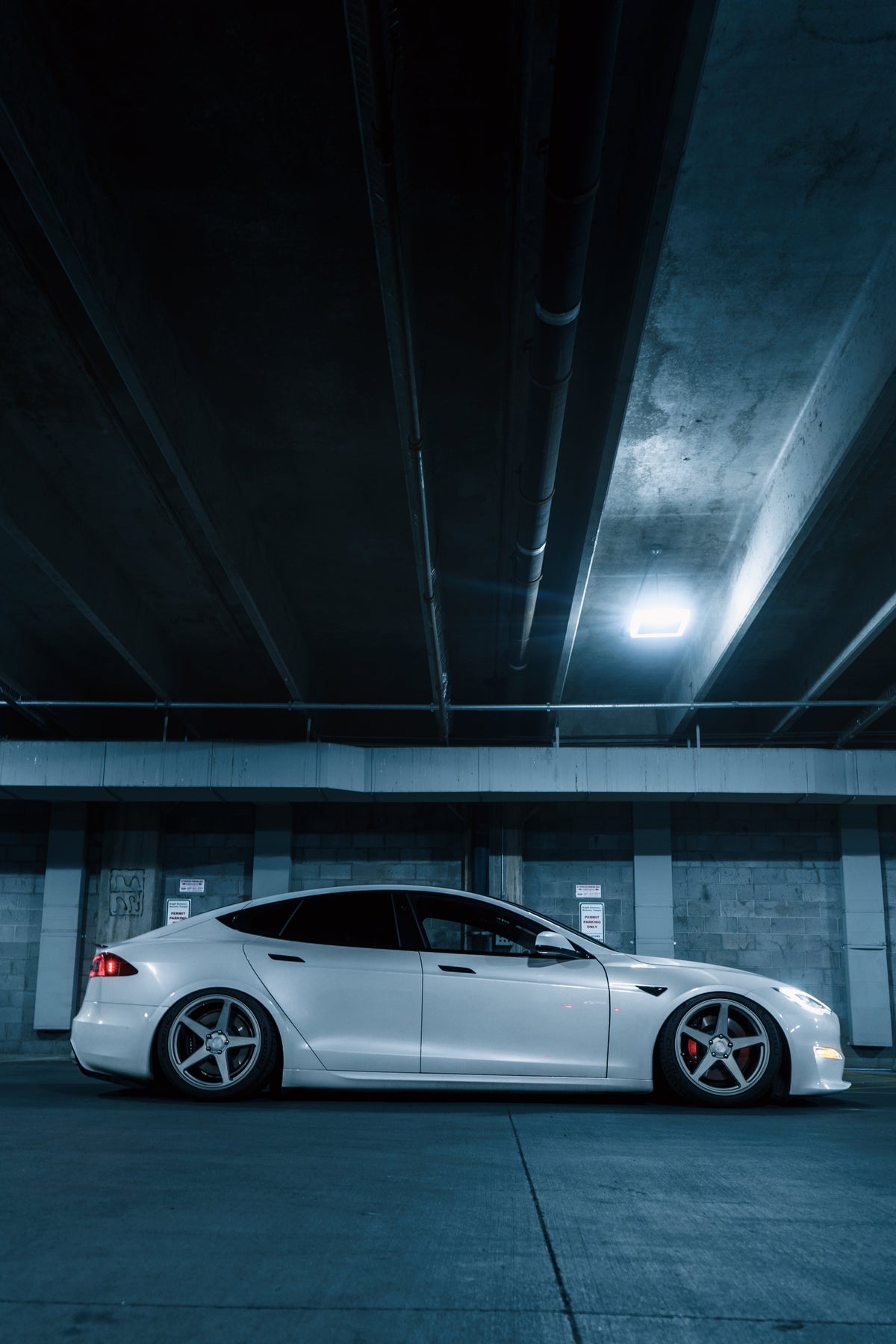
For the Tesla Model S Plaid, the best wheels are true forged wheels that combine low weight with a load rating high enough for the car's mass and performance. The Plaid weighs roughly 4,800 pounds, makes 1,020 horsepower, and runs 0–60 mph in about 2 seconds (Tesla quotes 1.99s with rollout), per Tesla's official Model S specifications. That combination of weight, torque, and speed puts unusual demands on a wheel—it must be light enough to improve the driving experience yet strong enough to handle hard launches, heavy braking, and the occasional pothole at speed.
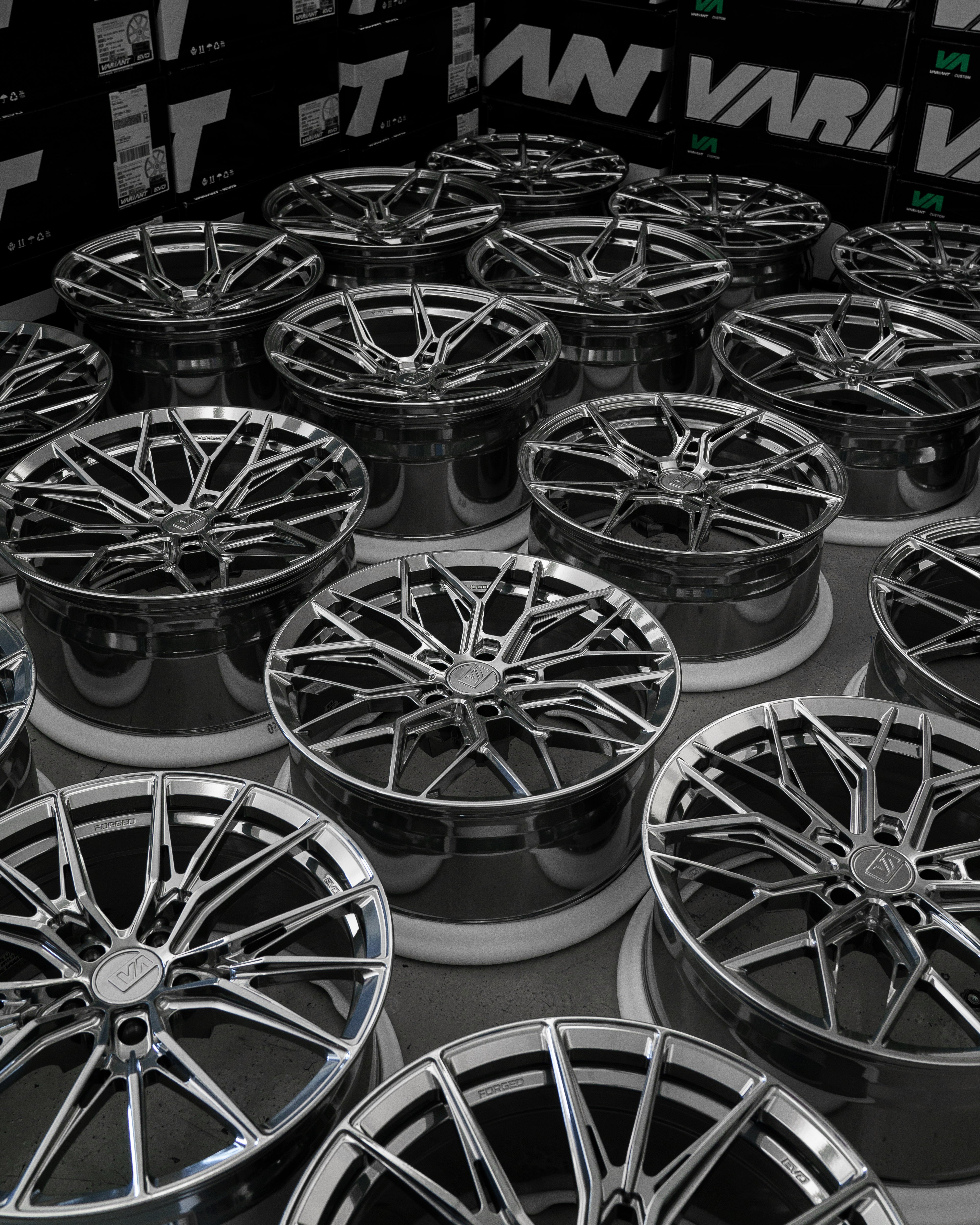
Forged wheels are the answer because forging presses a single billet of aluminum under enormous pressure, compacting the grain so the metal is stronger by volume. That lets a forged wheel be both lighter and tougher than a cast or flow-formed wheel of the same size. Variant builds exclusively true forged wheels from aerospace-grade 6061-T6 aluminum—you can browse Plaid-specific fitments in our Tesla Model S Plaid collection.
What is the correct wheel fitment for a Model S Plaid?
Getting fitment right is non-negotiable on a car this heavy and fast. The Model S Plaid uses these core specs:
| Spec | Model S Plaid |
|---|---|
| Bolt pattern | 5x120 |
| Center bore | 64.1 mm |
| Common diameters | 19", 20", 21" |
| Typical setup | Square or mildly staggered |
Two details matter most beyond bolt pattern. First, center bore: the wheel's center hole should match the Plaid's 64.1mm hub (or use proper hub-centric rings) so the wheel is centered by the hub, not just the lug seats—critical for eliminating vibration at the Plaid's 200-mph-capable speeds. Second, offset, which controls how far the wheel sits in or out of the fender and whether it clears the brakes and suspension. If offset is new to you, our wheel offset guide explains it in plain terms. When in doubt, choose a wheel sold as a verified Plaid fitment rather than a universal 5x120 wheel.
What size wheels are best: 19, 20, or 21 inch?
Each diameter trades ride, range, and looks differently:
- 19": Lightest setup with the most tire sidewall. Best ride comfort, best efficiency/range, strongest pothole resistance. The efficiency-minded choice.
- 20": The sweet spot for most Plaid owners—a noticeable visual upgrade over 19" with only a small ride and range penalty when paired with a light forged wheel.
- 21": The most aggressive look with the shortest sidewall. Firmer ride and slightly more range loss, and it demands a quality forged wheel to survive road impacts without bending.
Whatever the size, weight is what you feel. Because the wheels and tires are unsprung, rotating mass, every pound you remove pays off more than a pound removed from the body—it's why forged wheels improve steering response and braking on a heavy EV. We cover the physics in our explainer on forged vs. flow-formed vs. cast wheels.
Do lighter wheels affect a Tesla Plaid's range?
Yes, modestly. Heavier wheels and tires increase rotational inertia and often roll on grippier, higher-rolling-resistance rubber, both of which nibble at efficiency. Swapping factory wheels for lighter forged wheels of the same diameter—paired with an efficient tire—can recover some of the range an aftermarket set might otherwise cost you, while still improving handling. The gains are real but should be framed honestly: expect a meaningful improvement in feel and a smaller, single-digit-percentage effect on range depending on tire choice and driving style.
Why do forged wheels matter more on a heavy, fast EV?
Electric performance sedans amplify every wheel weakness. The Plaid's instant 1,050 lb-ft of torque slams the wheels on launch, its mass loads them hard under braking and cornering, and its low center of gravity makes drivers chase sharper responses. A light, strong forged wheel keeps the contact patch planted, reduces the load on the suspension, and resists bending from impacts that a thinner cast wheel might not survive. For an independent look at how wheel and tire mass affects acceleration and braking, Car and Driver's instrumented testing is worth a read.
Shopping beyond the Plaid? Our broader vehicle-specific fitments and full forged wheel catalog cover other models, and Corvette owners can see our C8 buyer's guide for a parallel example of matching forged wheels to a high-performance car.
Frequently asked questions
What bolt pattern and center bore does the Tesla Model S Plaid use?
The Model S Plaid uses a 5x120 bolt pattern with a 64.1mm center bore. Always match the center bore (or use hub-centric rings) so the wheel is centered by the hub for vibration-free high-speed driving.
Are forged wheels worth it on a Model S Plaid?
For most owners, yes. The Plaid is heavy and extremely fast, so the strength-to-weight advantage of forged wheels improves handling and braking, resists impact damage, and can help offset range lost to heavier wheels—benefits that matter more on this car than on a lighter, slower vehicle.
What's the best wheel size for a Plaid?
20 inch is the sweet spot for most owners, balancing an aggressive look with reasonable ride quality and range. Choose 19 inch for the best comfort and efficiency, or 21 inch for the most aggressive appearance if you accept a firmer ride.
Will aftermarket wheels reduce my Plaid's range?
Heavier or grippier setups can slightly reduce range. Choosing lighter forged wheels and an efficient tire minimizes the impact, and lighter wheels can recover some efficiency compared with a heavy aftermarket set.
Written by Taylor Smith, co-founder of Variant Alloy Wheels, who has spent nearly two decades in the automotive aftermarket.
Share:
What Are the Best Wheels for the BMW M3 and M4?
What Is Unsprung Weight, and Why Do Lighter Wheels Matter?