



Key takeaways: The best wheels for the Tesla Model Y are lightweight forged wheels in the correct 5x114.3 bolt pattern with a 64.1mm center bore, sized to keep unsprung weight low and clear the factory brakes. For most builds that means an 18 to 20 inch forged wheel in roughly a +30 to +45 offset, using hub-centric rings so the wheel sits dead center. Because the Model Y is a heavy, instant-torque EV, dropping wheel weight pays off twice: sharper handling and less range lost to rotating mass. Skip oversized, heavy wheels if range and ride matter to you.
What are the best wheels for the Tesla Model Y?
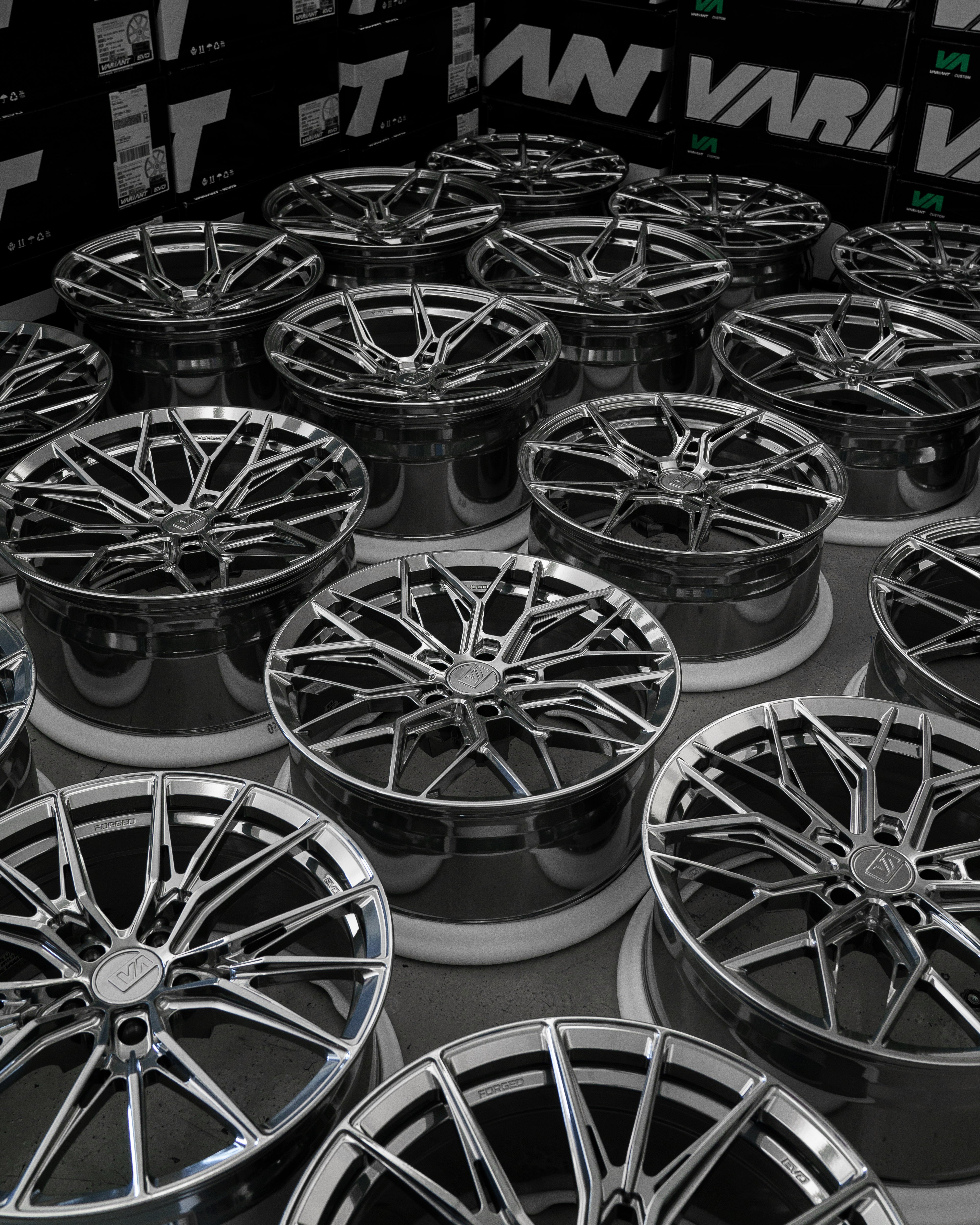
The best wheels for the Tesla Model Y are true forged wheels, because they give you the most strength for the least weight, which is exactly what a 4,400-plus-pound EV needs. Cast and flow-formed wheels can look the part, but on a heavy, high-torque car the weight penalty shows up in ride quality, steering feel, and range. A forged wheel in the right size and offset lets you upgrade the look and the driving feel at the same time. Variant builds only true forged wheels, and you can check current Model Y fitments through our vehicle-specific fitments hub or browse the full wheels lineup.
What bolt pattern and specs does the Tesla Model Y use?
Every Tesla Model Y from 2020 through 2026 uses a 5x114.3mm bolt pattern with a 64.1mm center bore. Lug nuts are M14x1.5 with a 21mm hex, and Tesla specifies a wheel torque of 175 Nm (about 129 lb-ft). Getting the center bore right matters: if your aftermarket wheel is bored larger than 64.1mm, you need hub-centric rings so the wheel centers on the hub rather than on the lugs. Here are the core specs to shop against.
| Spec | Tesla Model Y (2020–2026) |
|---|---|
| Bolt pattern | 5x114.3mm |
| Center bore | 64.1mm |
| Lug type | M14x1.5, 21mm hex |
| Wheel torque | 175 Nm (~129 lb-ft) |
If any of those terms are new, our guides on bolt pattern and center bore and hub-centric rings break them down.
What size wheels fit the Tesla Model Y?
The Model Y comes from the factory in 19, 20, and 21 inch sizes, and the factory wheels are not light. Knowing the stock weights is the best way to see what a forged upgrade can save you.
| Factory wheel | Size | Offset | Approx. weight |
|---|---|---|---|
| Gemini | 19 in | +45 | ~29.6 lb |
| Induction | 20 in | +45 | ~31.6 lb |
| Uberturbine (Performance) | 21 in staggered | +40 front / +48 rear | ~38 lb front / ~39 lb rear |
For aftermarket setups, most Model Y owners land between 19x9.5 and 20x10.5 in roughly a +30 to +40 offset for a flusher stance that still clears the factory brakes at stock ride height. A quality forged wheel in these sizes can come in meaningfully lighter than the factory 20 and 21 inch wheels, which is where the driving benefits come from. For a deeper look at how offset changes fitment, see wheel offset explained, and cross-reference real tire and wheel fitment data at Tire Rack.
Why do lightweight forged wheels matter on a Tesla Model Y?
Lightweight forged wheels matter on the Model Y because a wheel is unsprung weight, the mass the suspension has to control over every bump. Reduce it and the tire stays planted better, steering feels sharper, and the ride settles faster. On an EV there is a second payoff: rotating mass takes energy to spin up, so lighter wheels can reduce the range you lose to acceleration, especially in stop-and-go driving. We cover the physics in what is unsprung weight. Given the Model Y's weight and instant torque, this is one of the few upgrades that improves both how the car looks and how it drives.
Do bigger wheels hurt Model Y range?
Yes, generally. Going bigger and wider usually adds weight and can add rolling resistance and aerodynamic drag, all of which chip away at range. Tesla's own 21 inch Performance wheel is heavier and typically returns less range than the 19 inch setup. That does not mean you should avoid a larger wheel, it means you should choose a light one. A forged 20 inch wheel that weighs less than a factory 20 gives you the look without the full penalty. If maximum range is your priority, staying at 19 or 20 inches with a lightweight forged wheel and an appropriate tire is the smart play. Tesla publishes range figures by wheel on its Model Y configurator if you want to compare.
How does the Model Y compare to other Teslas for wheels?
The Model Y shares its 5x114.3 bolt pattern and 64.1mm center bore with the Model 3, so fitment logic carries over closely, though the Y is taller and heavier so brake clearance and fender gap differ. If you are cross-shopping, our best wheels for the Tesla Model 3 Performance and Tesla Model S Plaid guides use the same lightweight-forged thinking applied to those platforms. For a look at a modern forged design that suits the Model Y's clean lines, browse the EVO and Corsa collections.
Frequently asked questions
What bolt pattern is the Tesla Model Y?
The Tesla Model Y uses a 5x114.3mm bolt pattern with a 64.1mm center bore across all model years from 2020 to 2026.
What size wheels are best for a Tesla Model Y?
For a balance of looks, ride, and range, a lightweight forged 19 or 20 inch wheel is ideal. Common aftermarket sizes run from 19x9.5 to 20x10.5 in a +30 to +40 offset, which clears the factory brakes at stock ride height.
Do aftermarket Model Y wheels need hub-centric rings?
Usually yes. If the wheel's center bore is larger than the Model Y's 64.1mm hub, hub-centric rings position the wheel on the hub instead of the lugs, which prevents vibration at speed.
Do bigger wheels reduce Tesla Model Y range?
They can. Larger and heavier wheels add unsprung and rotating mass and often more drag, which reduces range. Choosing a lightweight forged wheel minimizes that penalty compared with a heavy cast wheel of the same size.
Written by Taylor Smith, co-founder of Variant Alloy Wheels, who has spent nearly two decades in the automotive aftermarket.
Share:
What Is Wheel Offset? Positive, Negative, and Zero Offset Explained
Do Forged Wheels Hold Their Value?